
Grief Support, Healing and Wellness
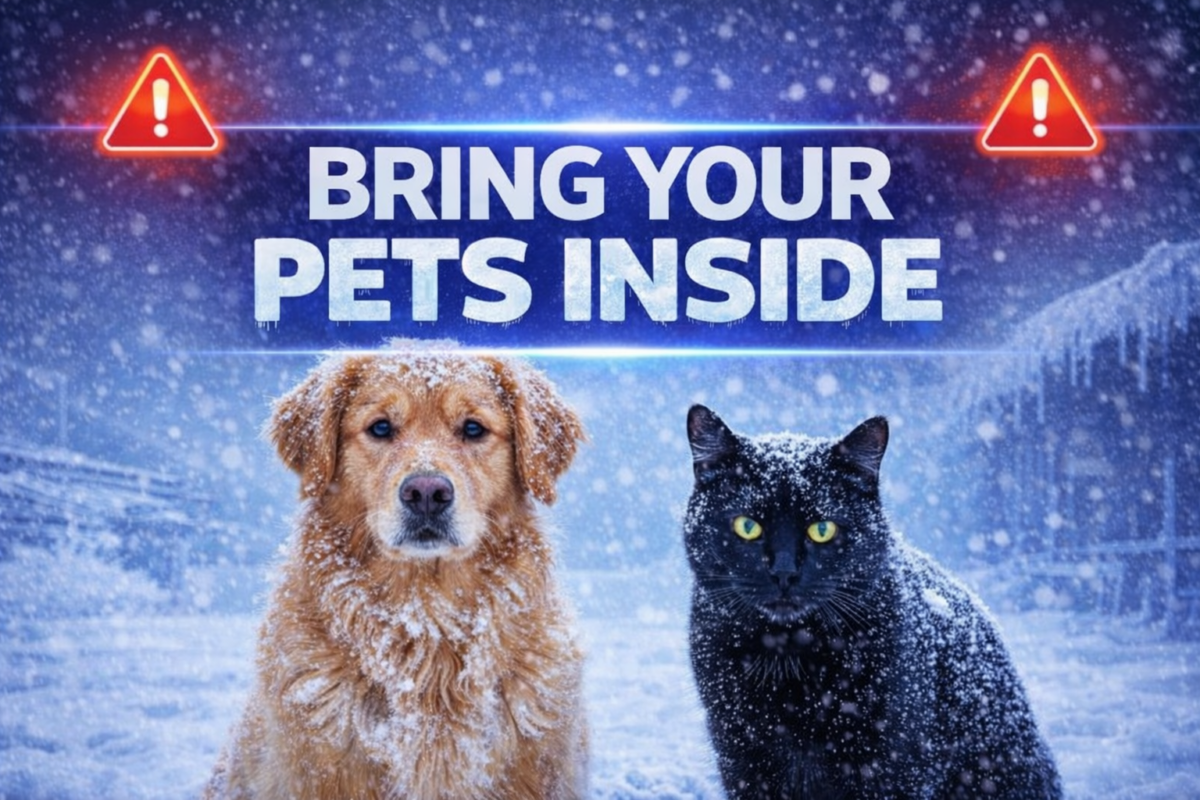
8 Essential Winter Safety Tips for Pet Parents
Jan
1. The “Towel Down” Routine When your pet comes inside, immediately wipe down their paws, legs, and belly. Beyond the risk of hypothermia from wet fur, snow and ice often hide de-icing chemicals and salt. These can cause chemical burns on paw pads and, more dangerously, are toxic if licked off during self-grooming.
2. Protective Paw Maintenance The combination of ice and salt can lead to painful “snowballing” between the toes and cracked pads. Consider using dog booties or a veterinary-grade paw wax (like Musher’s Secret) to create a breathable barrier against the elements. Keep the hair between the paw pads trimmed short to prevent ice crystals from clinging.
3. Shorten the Excursions While exercise is vital, extreme cold requires a shift in routine. During “Polar Vortex” events, limit walks to quick “potty breaks.” Senior pets and those with arthritis will feel the cold more acutely in their joints; keep them moving, but keep the duration low to avoid systemic chilling.
4. Winter Wardrobe for Short-Haired Breeds This isn’t just about fashion—it’s about thermoregulation. Breeds with short coats (like Greyhounds or Pit Bulls) or low body fat (like Chihuahuas) lack the insulation to maintain their core temperature. A well-fitted, water-resistant sweater or fleece is a medical necessity for these pets when temperatures dip below 32°F (0°C).
5. Beware the “Sweet” Poison: Antifreeze Ethylene glycol (antifreeze) has a sweet taste that is highly attractive to pets but is lethally toxic even in tiny amounts. A single lick from a puddle in the driveway can lead to acute kidney failure. Always opt for pet-safe “Propylene Glycol” alternatives and immediately wash any spills with heavy amounts of water.
6. The “Hood Tap” for Outdoor Cats Outdoor and feral cats often seek the warmth of a recently turned-off car engine. Before you start your vehicle in the morning, give the hood a loud “thump” or honk the horn. This simple act saves countless lives from fan belt injuries.
7. Monitor Your “Fuel” Levels Pets may burn more calories in the winter just to stay warm. However, if your pet is primarily an indoor companion, they may actually be less active. Consult with your vet to see if you should slightly increase their caloric intake for “shivering energy” or decrease it to prevent winter weight gain.8. Recognize the Signs of Hypothermia Pet parents must be able to recognize the clinical signs of cold distress before they become a crisis. If your pet is shivering, acting lethargic, or has cold ears and paws, they are entering the early stages of hypothermia.
8. Recognize the Signs of Hypothermia Pet parents must be able to recognize the clinical signs of cold distress before they become a crisis. If your pet is shivering, acting lethargic, or has cold ears and paws, they are entering the early stages of hypothermia.
Final Medical Note
Never leave your pet in a car during the winter. A cold car acts like a refrigerator, holding in the chill and leading to a rapid drop in body temperature.
Our goal is to ensure that the only thing “chilly” this winter is the view from your window—while your pets stay warm and safe by your side.
